The World Bank Group has approved a Contingent Emergency Response Project (CERP) for Tajikistan. This provides Dushanbe with a financial instrument designed to enable the rapid reallocation of resources during crises and emergencies, bolstering the country's immediate response capabilities.
According to Tajikistan’s Ministry of Finance, the mechanism permits up to 10% of undisbursed funds from the World Bank’s current investment portfolio to be redirected annually. This offers the government enhanced flexibility in managing already allocated development resources for urgent needs.
Activation of the CERP requires an official declaration of a state of emergency within Tajikistan. Preparations for its potential use are, however, conducted well in advance of any specific crisis event, ensuring operational readiness.
Experts note that the CERP streamlines crisis financing by eliminating the protracted process of seeking entirely new funding sources. It enables the swift redeployment of existing capital, critical for time-sensitive emergency interventions.
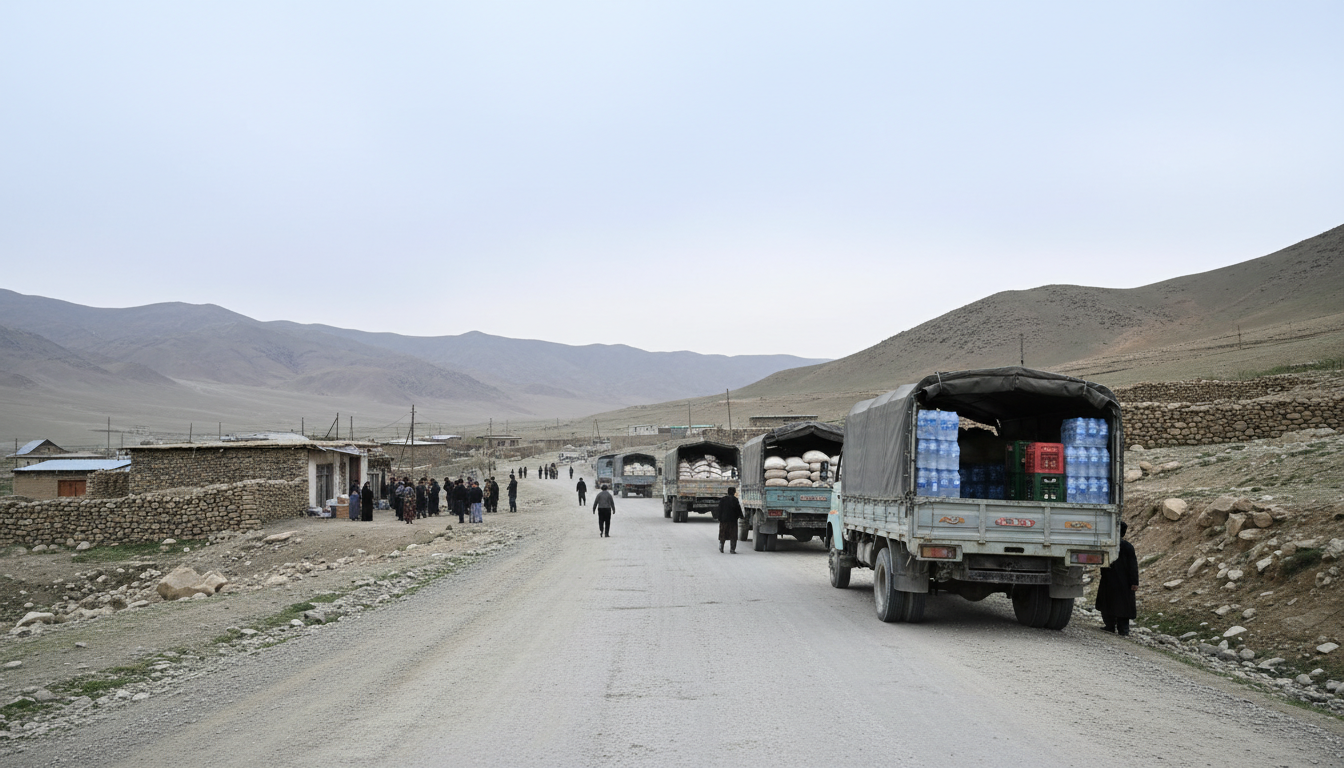
These reallocated resources are designated for procuring essential items such as food, water, and medical supplies. They also support emergency services with protective equipment, provide crucial agricultural aid, and offer direct assistance to affected households.
The CERP is integrated within the World Bank's broader Rapid Response Option (RRO) framework. This overarching mechanism allows governments to quickly shift funds from ongoing projects to address urgent emergency needs, which Tajikistan had already formally adopted.
The Ministry of Finance stated that CERP will operate in conjunction with the existing Tajikistan Preparedness and Resilience to Disasters Project. Officials anticipate this combined approach will significantly strengthen the country’s overall capacity to respond to potential risks.