Why the Tajikistan-Afghanistan Border Has Long Been So Volatile
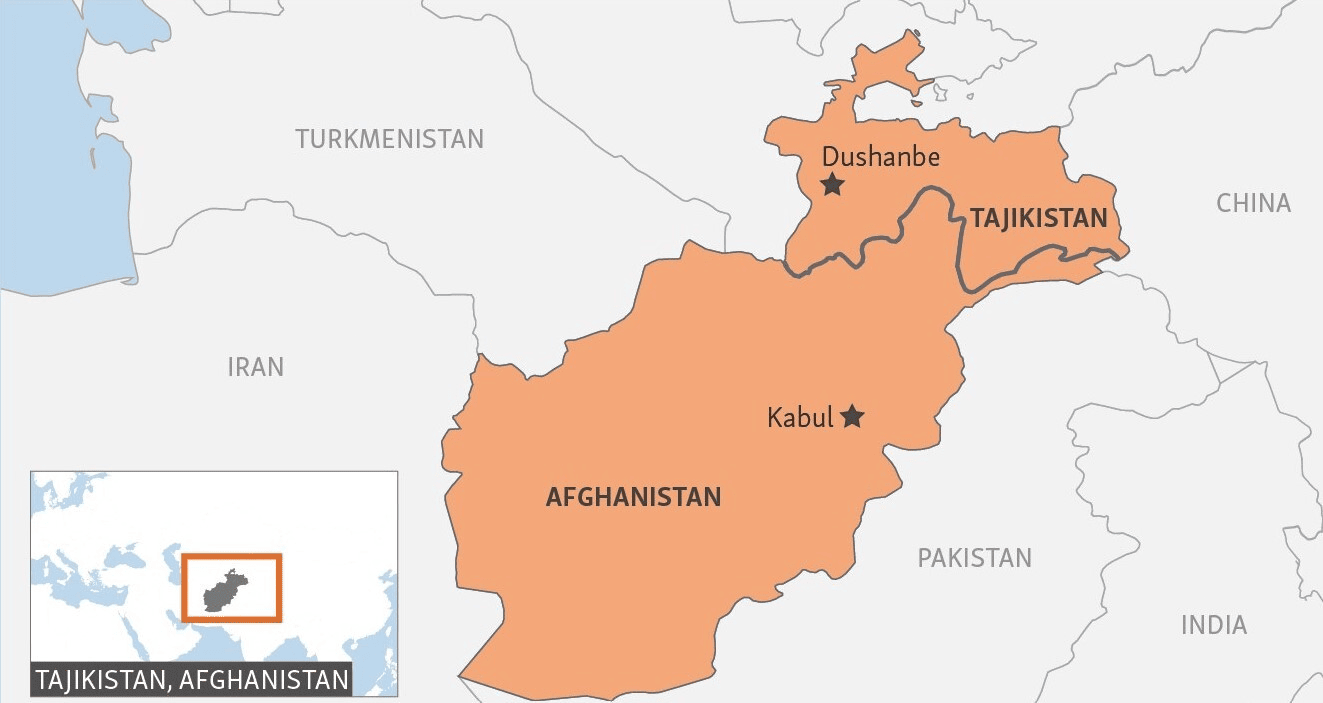
The Tajikistan-Afghanistan border took shape in the late 19th century, when the British and Russian empires turned Afghanistan into a buffer state. Present-day Tajikistan later inherited that frontier after the collapse of the Soviet Union.
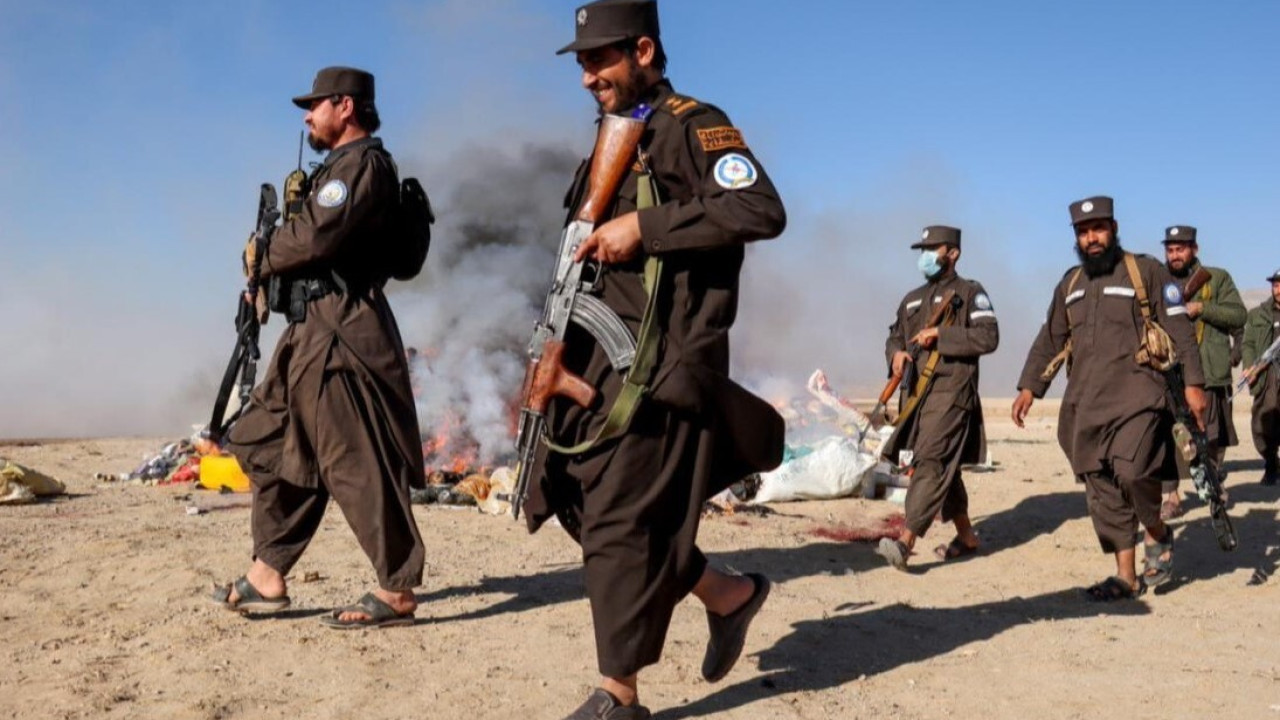
The border zone became especially unstable in the 1990s, as the Tajik civil war and the Afghan civil war fueled insecurity on both sides. Conditions improved after the Taliban fell in 2001, but the frontier remained porous and weakly policed. Since the Taliban’s return to power in 2021, the border has come under renewed pressure, with heavier militarization, fears of militant infiltration, and repeated security incidents.
Tajikistan-Afghanistan Border
How Militants Are Deepening Tajikistan-Afghanistan Border Tensions
At the center of Tajikistan’s fears is Jamaat Ansarullah, a Taliban-aligned militant group based in northern Afghanistan and made up largely of ethnic Tajiks. The distrust has been building since the Taliban returned to power in 2021.
While other Central Asian states gradually reopened channels with Kabul, Tajikistan stayed colder and at times openly critical. By May 2022, tensions had already turned violent, with clashes apparently involving Jamaat Ansarullah. Through 2023 and 2024, Tajik officials repeatedly said they had thwarted attempted incursions from Afghan territory.
By some estimates, at least 20 people were killed in firefights between Tajik border guards and intruders crossing from Afghanistan between late November 2024 and early 2026.
Tajikistan had formally requested to Moscow additional weapons under a 2024 program designed to strengthen defenses along the Afghan border. In early February, delivery contracts were being finalized. Tajik officials may deny needing outside patrol support, but the country is clearly hardening the frontier.
Trade, Energy, and Rail Projects Are at Risk
To the north, Central Asia’s core states have been trying to settle disputes and lock in cooperation. The March 2025 summit in Khujand, where the leaders of Kyrgyzstan, Tajikistan, and Uzbekistan formally declared an end to their long-running territorial disputes, was a major step in that direction after years of deadly clashes in the Ferghana Valley.
Trade between Afghanistan and Uzbekistan reached $1.6 billion in 2025. Kazakhstan’s trade with Afghanistan reached $336 million in the first eight months of 2025, and both sides want that figure to rise to $3 billion in the coming years. A worsening border crisis would put that bet at risk.
Amid all this is CASA-1000, a $1.2 billion energy infrastructure project designed to connect the electricity grids of Kyrgyzstan, Tajikistan, Afghanistan, and Pakistan. Its main goal is to export surplus Central Asian hydro-power, generated mainly during the summer snow-melt, to South Asian markets facing critical energy shortages. CASA-1000 is meant to send surplus Central Asian hydro-power to Afghanistan and Pakistan.
For Tajikistan, the energy project could bring in up to $200 million a year. For Afghanistan, it could deliver around 300 megawatts of electricity. The two countries have also advanced the Balkh-Lower Pyanj railway, a roughly 30-mile link intended to connect them directly.
Beyond that sits the proposed Five-Nation Railway Corridor linking China, Kyrgyzstan, Tajikistan, Afghanistan, and Iran. Tajikistan also sees Afghanistan as a transit path to Pakistan and Iran. In other words, this border is supposed to function as a corridor, not a choke point.
Why China, Russia, and the Taliban Have Stakes in the Tajikistan-Afghanistan Border Crisis
China has direct reasons to worry. The frontier lies near Xinjiang, where Beijing has long been sensitive to separatism and cross-border militancy. China and Tajikistan have spent years expanding intelligence-sharing and joint military exercises around the frontier and the tri-border area with Afghanistan.
Beijing is also focused on Islamic State Khorasan Province, which has attacked Chinese nationals in Afghanistan, including the January 20 assault on a Chinese restaurant in Kabul that killed seven people. The group is also suspected of links with Uyghur militant organizations, including the Turkestan Islamic Party.
For Beijing, the risk is strategic and financial. The Chinese nationals killed in November were working in sectors central to China’s relationship with Tajikistan. If instability spreads, Beijing is more likely to pull back investment than to intervene militarily. That would hit Tajikistan’s development plans and China’s wider push for infrastructure and influence across Central Asia.
Russia sees danger too. Moscow is trying to deepen transport links through Central Asia toward Iran, Afghanistan, and Pakistan, including through branches of the International North-South Transport Corridor. More instability would damage those ambitions.
The key question is whether the Taliban are fueling the tension or failing to control it. The evidence points more to weakness than intent. Kabul wants better ties, more foreign investment, and a place in regional trade networks. It gains little from permanent friction with Tajikistan.
But this frontier has long served as a trafficking route into Central Asia, Russia, and Europe, and a border that cannot be controlled can be almost as dangerous as one being deliberately weaponized. That is the core danger now: a crisis that still looks remote but carries the potential to destabilize the entire region.
Source: GeoPulse