The Belgian and Dutch parliaments adopted resolutions on 16 April regarding Armenian prisoners in Baku and border issues, drawing immediate condemnation from Azerbaijan. Its Foreign Ministry summoned both countries' ambassadors Monday, rejecting the parliamentary actions.
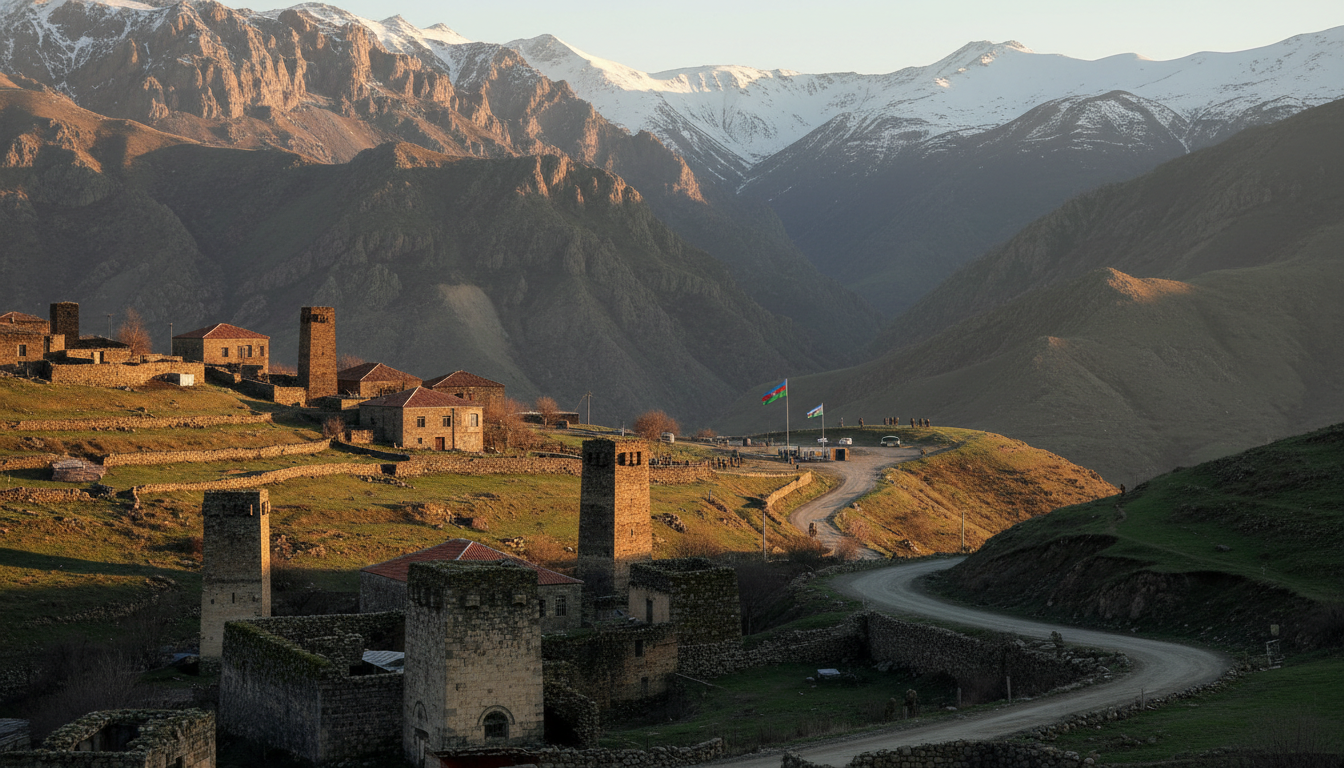
The Belgian Parliament’s resolution urged Azerbaijan to respect sovereignty and retreat from over 200 square kilometres of Armenia’s internationally recognised territory. These areas, including Syunik, Vayots Dzor, and Gegharkunik, were described by Armenian media as occupied since 2021.
This Belgian resolution called for transparent trials for Armenian prisoners in Baku as a "gesture of goodwill," also urging EU members to press for a peace agreement with Armenia, announced for 13 March 2025.
Separately, the Dutch Parliament condemned the "deplorable conditions" of Armenian prisoners of war and former Nagorno-Karabakh leaders in Azerbaijan, calling for their immediate release.
Azerbaijan’s Foreign Ministry assessed these resolutions as a "reckless attempt to undermine Azerbaijan’s territorial integrity and sovereignty." It decried "biased and unfounded assessments," rejecting "baseless accusations."
The Azerbaijani Parliament similarly condemned the resolutions on Monday, labelling them "one-sided and biased." It claimed these documents distorted conflict history, stemming from "unhealthy and racist imagination of anti-Azerbaijani circles."
Parliamentarians deemed them a "gross violation of international law" and a "provocation against the ongoing peace process." They argued the "initiators" were far removed from regional realities, intending "not to promote peace, but to incite hostility."
Addressing the prisoner issue, the Azerbaijani Parliament asserted the Armenian individuals committed "war crimes and crimes against humanity," with crimes proven in "transparent and open trial."
President Ilham Aliyev amplified this rhetoric, comparing the trials to Nuremberg and declaring crimes "worse than what the Nazis did during WWII." Analyst Ilgar Velizade dismissed resolutions as unlikely to bear fruit, instead stimulating "new anti-Azerbaijani campaigns."