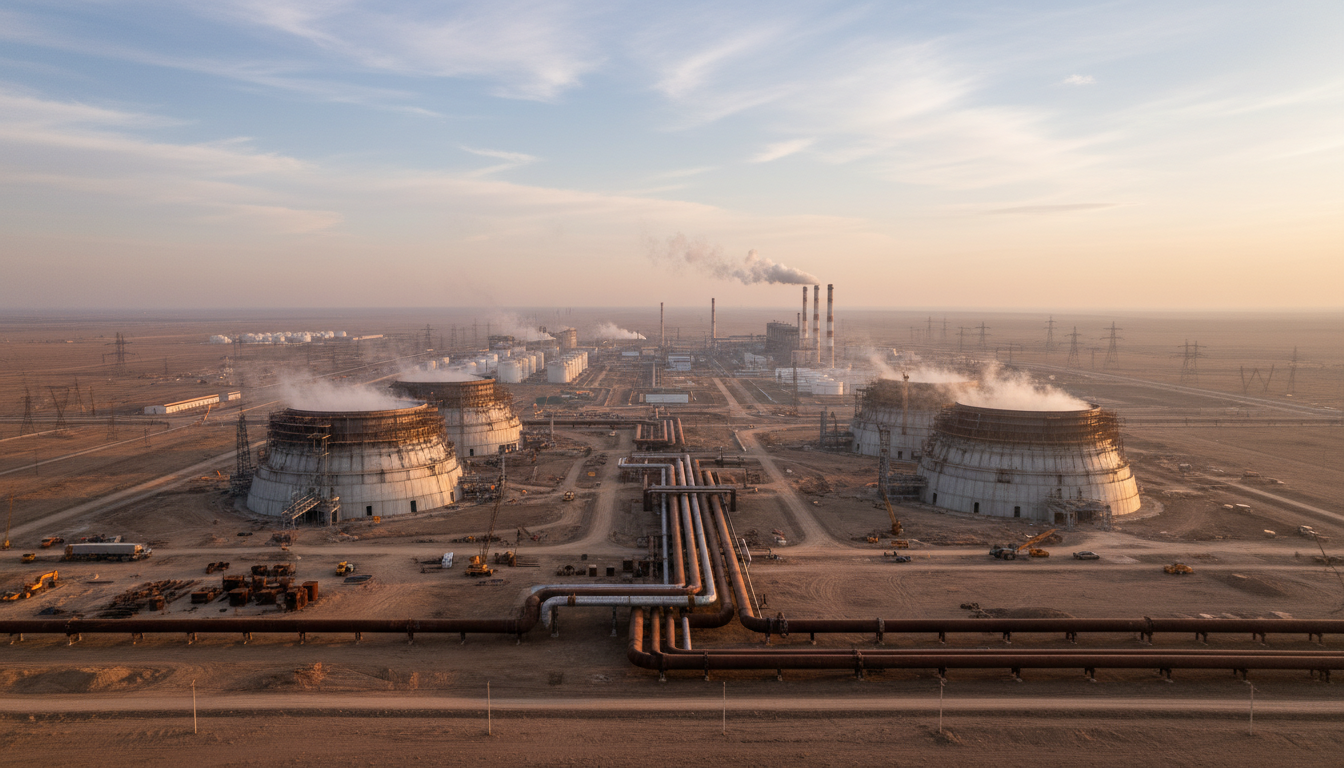
Kazakhstan faces a burgeoning energy deficit, with growing demand outstripping its current generation capacity. This challenge is driving a strategic pivot towards nuclear power, marking a significant shift in the nation's energy policy.
The planned construction of its second and third nuclear power plants, projected to generate 2.4 GW, will see Kazakhstan partnering with China. This collaboration carries profound implications, extending beyond mere energy provision to reshape the country's political landscape and environmental trajectory over the long term.
Energy Imperative and Environmental Drivers
Kazakhstan's energy requirements are escalating rapidly, propelled by population growth and sustained industrialisation. Peak demand in 2024 reached 17.2 GW, already surpassing the maximum generation capacity of 16.6 GW, necessitating electricity imports from neighbouring states. This deficit is projected to widen substantially, potentially reaching 6.2 GW by 2030, underscoring the urgent need for expanded capacity and infrastructure modernisation.
The reliance on coal as a primary energy source exacerbates the nation's environmental challenges. In 2024, coal-fired plants generated 66 percent of Kazakhstan's electricity, contributing significantly to widespread air pollution. Consequently, 35 cities across the country grapple with poor air quality, as reported by the National Hydrometeorological Service.
The health implications of this air pollution are considerable. Doctor Denis Vinnikov, who has studied these effects, indicates that prolonged exposure to contaminated air elevates the risk of cardiovascular and respiratory conditions, including Chronic Obstructive Pulmonary Disease (COPD). Almaty, one of Kazakhstan's most polluted cities, also registers among the highest national rates of COPD cases.
Geopolitical Balancing Act
The decision to involve China in these nuclear projects represents a deliberate strategic move by Astana to diversify its external partnerships. Russia currently holds a pivotal position in Kazakhstan's energy sector, already constructing the nation's first nuclear power plant. Beijing's involvement helps to temper this influence.
For China, this collaboration signifies more than just an energy deal; it marks the commencement of its nuclear projects within Central Asia. This initiative is a major milestone in strengthening energy cooperation with Kazakhstan and extends Beijing's "go global" strategy for its nuclear power industry into a new key region.
This engagement signals China's commitment to broaden and diversify its regional presence. It deepens its relationship with Kazakhstan through new forms of advanced technological and energy cooperation, fostering long-term strategic alignment.
Historical Sensitivities and Public Acceptance
Kazakhstan is the world's largest producer of uranium, providing a natural foundation for developing a domestic nuclear energy programme. However, the nation has historically refrained from fully harnessing this potential due to profound public sensitivity regarding its nuclear past. This historical trauma stems from the Soviet era.
Between 1949 and 1989, the Soviet Union conducted 456 nuclear tests at the Semipalatinsk Testing Site, exposing over 1.5 million people to harmful radiation and severely contaminating the environment. These tests constituted approximately 25 percent of all global nuclear explosions during that period, leaving a lasting legacy of fear and environmental concern.
To address this ingrained public apprehension, the Kazakhstani government has conducted a nuclear referendum. This democratic exercise aims to gauge public sentiment and secure a mandate for its nuclear energy ambitions, acknowledging the deep-seated historical anxieties.
Long-Term Engagements and Risks
The construction, operation, and eventual decommissioning of these new nuclear power plants are projected to span over six decades. This extended timeframe underscores the profound, long-term nature of Kazakhstan's bilateral engagement with China.
Such a prolonged commitment inherently carries significant risks, impacting both the political stability and environmental integrity of the nation. The enduring presence of a foreign power in critical infrastructure for generations could reshape internal political dynamics and external alignments.
Environmentally, while nuclear power offers a cleaner alternative to coal, the perennial concerns over potential nuclear disasters remain salient. Kazakhstan’s historical experience amplifies public vigilance regarding safety protocols and waste management, which will be critical throughout the plants' operational life.