An incident in the village of Novaya Tavolzhanka in Russia’s Belgorod region has drawn attention to the operational conduct of auxiliary forces within the country's border territories. Soldiers from the Chechen Akhmat unit are accused of widespread looting and intimidating residents, actions which reportedly met with inadequate responses from local authorities and military police. This event, if substantiated, highlights complex issues surrounding state control and the behaviour of non-standard military formations operating under the Russian chain of command.
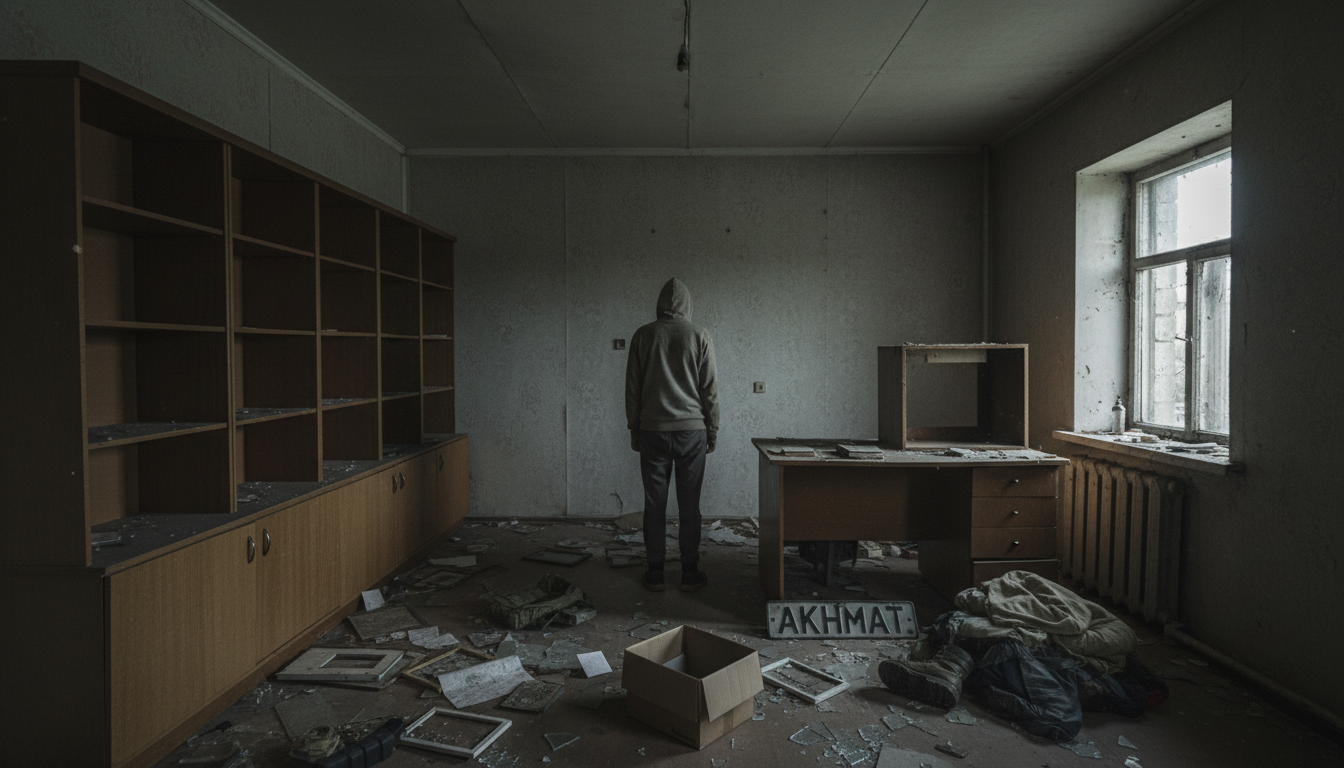
The alleged looting incident, which occurred on 9 April, reportedly involved Chechen soldiers arriving in vehicles marked with "Akhmat" instead of official number plates. Residents of Novaya Tavolzhanka claimed their homes and garages were forcibly entered, with household appliances and generators removed. Attempts to intervene were allegedly met with threats, deepening local anxieties in an already volatile border zone.
Erosion of Authority in Border Regions
The reported failure of local law enforcement and military police to intervene decisively at Novaya Tavolzhanka points to a concerning erosion of state authority in conflict-affected border areas. Eyewitness accounts suggest military police were present but "simply afraid" to act against the Chechen unit. Such impotence undermines public trust and raises questions about Moscow's effective control over all forces operating within its declared jurisdiction.
The head of the Novaya Tavolzhanka administration, Sergei Parika, reportedly offered no assistance to distressed residents, further illustrating a breakdown in local governance. This perceived passivity from civilian and military authorities creates a vacuum. It suggests that certain units may operate with a degree of impunity, even when their actions are directed against Russian citizens.
Operational Autonomy and Discipline Concerns
The Akhmat unit, formally subordinated to the Russian National Guard (Rosgvardiya), appears to retain a distinct operational identity and command structure. The use of "Akhmat" identifiers on vehicles rather than standard plates reinforces this perception of unique status. This particularism complicates efforts to enforce standard military discipline and accountability, as evidenced by the lack of detentions or proceedings related to the April incident.
The description of perpetrators as "bearded men with rifles," whom even military police reportedly feared, contributes to an image of forces operating outside conventional norms. Such characterisations, though anecdotal, resonate with a broader pattern of behaviour attributed to Chechen units in various theatres. Their perceived exceptionalism may foster an environment where disciplinary infractions are overlooked or tolerated.
A Pattern of Unchecked Conduct
The Novaya Tavolzhanka incident is not an isolated occurrence but aligns with a documented pattern of alleged misconduct involving Chechen and other auxiliary Russian forces. In 2024, two Chechen soldiers, one identified as a Rosgvardiya member, reportedly robbed a phone shop in Glushkovo, Kursk region, another border area seeing heavy fighting. These acts mirror earlier incidents of alleged looting in Ukrainian territories occupied by Russian forces.
In November 2022, video recordings allegedly showing looting in Kherson were found on a deceased Rosgvardiya member from a Chechen-based regiment. Similarly, in September 2022, stolen mobile phones from Mariupol were traced to an electronics shop in Grozny, with Ukrainian forces attributing these thefts to pro-Kadyrov units. These repeated instances suggest a systemic issue rather than isolated individual transgressions, indicating a potential lack of robust oversight or deliberate tolerance of such practices.
Broader Implications for Internal Stability
The repeated accusations of looting and intimidation by armed groups in Russian territory carry significant implications for internal stability and governance. The open despair expressed by residents ("How are we supposed to live like this?") reflects a profound loss of security and trust in state institutions. When military police are reportedly intimidated by allied forces, the hierarchy of authority appears dangerously inverted.
This situation risks alienating local populations in critical border regions, potentially undermining broader public support for the military campaign. The failure to address such grievances effectively, as indicated by the reported silence of local channels and the lack of official comment from regional authorities or Akhmat representatives, exacerbates feelings of vulnerability and abandonment among citizens.
Regional Security and Geopolitical Considerations
The unchecked activities of auxiliary forces in Russian border regions introduce a new dimension of complexity to the security landscape. The deployment of units like Akhmat, with their specific operational dynamics, presents both a tactical advantage in conflict zones and a governance challenge for Moscow. Their perceived autonomy risks creating pockets of lawlessness, even within Russia's internationally recognised borders.
For Moscow, managing these formations becomes a delicate balancing act, particularly when their actions undermine the state's legitimacy among its own populace. The long-term implications for central authority, especially in a prolonged conflict, are substantial. The incidents in Novaya Tavolzhanka and elsewhere suggest a need for more rigorous accountability within all forces if Russia is to maintain internal coherence and trust.